



M&A brand integration
Bring two brands together,
on the deal’s timeline
Post-acquisition brand integration moves fast and spans markets you may not have infrastructure in yet. GLIMMA has run this exact programme before at global scale, inside a six-month deal clock - and built the visibility and governance to do it again for you.
What makes M&A brand integration so difficult?
You're not replacing a logo. You're coordinating thousands of assets: offices, vehicles, retail sites, signage, websites, portals, documents, suppliers, across markets with different rules. And it happens on a clock set by the deal, not by how ready the brand infrastructure is.
- 01Keeping the business runningImplementation has to happen while employees continue working and customers continue visiting.
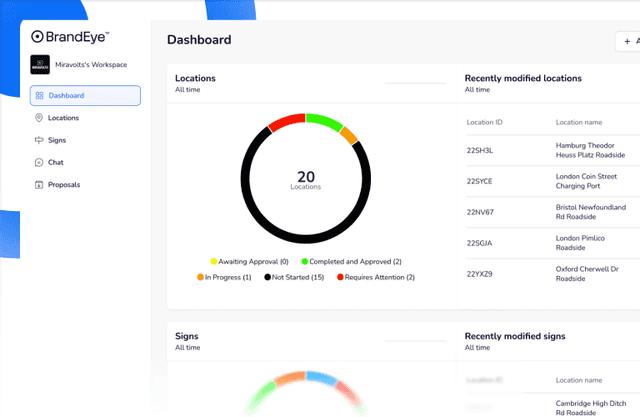
- 02Incomplete asset visibilityMany organisations don't have an accurate picture of every branded asset across their estate.
- 03Multiple stakeholdersProperty, facilities, procurement, marketing, legal, operations and regional teams all have competing priorities.
- 04Compressed timelinesLeadership wants visible progress quickly while ensuring governance and compliance.
- 05Cost controlBudgets need to be managed across multiple suppliers, regions and phases.
- 06Brand consistencyEvery location should reflect the new brand, regardless of geography or local suppliers.
Every one of these plays out in front of people: employees already adjusting to the acquisition, and customers who need to trust that service continues unchanged. GLIMMA plans sequencing around both.
A rollout that's technically on schedule but disruptive on the ground isn't a successful one.
Does this look like your project?
GLIMMA plans, manages and delivers brand integration programmes across every market, ensuring a consistent transition to one unified brand.
Built to run M&A brand integration at scale
- 01One team, start to finish
Strategy, design, technical specs, procurement, installation and maintenance sit under one programme, not passed between suppliers mid-transition.
- 03A delivery network already in place
Global suppliers and installers already vetted, so integration doesn’t wait on GLIMMA sourcing partners in markets you’re new to.
- 05Governance that outlasts the deal
The reporting infrastructure built for this integration becomes the model for your next one.
- 02Full visibility before you commit
Global asset audits give you a verified inventory and cost baseline before rollout starts, so approvals move fast because the numbers are already solid.
- 0420+ years at this exact scale
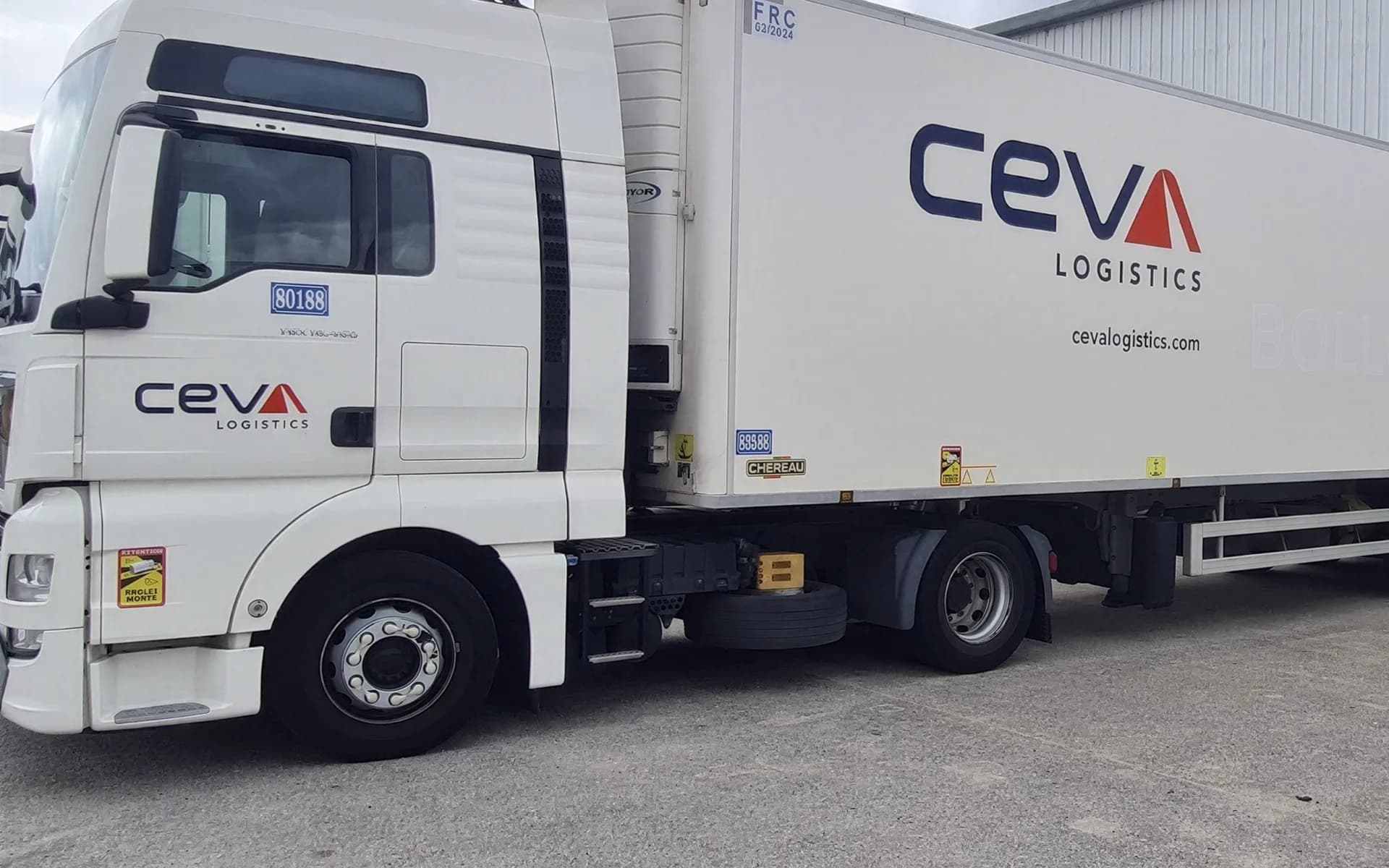
Including a 6-month global acquisition rebrand across 256+ locations and 190+ vehicles for CEVA Logistics.
M&A brand integration runs on a fixed clock. GLIMMA holds the programme together from asset audit to final installation, on time and budget.
350+
showrooms
20+
countries

Following its acquisition, CEVA needed to transition Bolloré-branded assets into the CEVA identity across hundreds of locations and vehicles worldwide, inside a six-month window.
Not every acquisition follows the same transition.
The old brand can be replaced everywhere at once, migrated in stages, or run alongside the new one for a while. That decision shapes your cost, timeline and risk.
Every touchpoint switches to the new brand at once.
- Full rebrand: Every touchpoint switches to the new brand at once.
- Phased migration: The new brand rolls out in planned stages.
- Endorsed transition: The acquired brand carries the new brand's endorsement before full replacement.
- Co-branding period: Both brands appear together for a defined window.
- Separate specialist brands: The acquired brand keeps its own identity, under new ownership.
- Legacy brand removal: The old brand is retired, with no direct replacement.
GLIMMA helps you choose the right brand transition model for your deal. Then, we plan delivery and governance around it.
What’s actually involved, phase by phase.
Know what you bought
Discover the full scope and build a verified asset baseline, market by market, with global on-site surveys.
Define transition rules
The agreed transition model shapes cost, timeline, risk and the overall rollout plan.
Execute at deal speed
Centrally governed rollout executed through local delivery partners.
Maintain consistency after launch
A reporting and governance model that carries on beyond this one transition.
End-to-end coverage, from strategy to governance
- Strategy & planning
- Audits & asset intelligence
- Technical design & specification
- Cost planning & commercial control
- Manufacturing & procurement
- Installation & rollout
- Programme management
- Asset visibility & reporting
- Brand governance & compliance
The touchpoints an M&A integration typically covers.
The old brand lives in more places than most organisations realise. Physical sites are the most visible part of the estate, but rarely the largest.
Every physical touchpoint your brand shows up in - from corporate offices to live events.
The questions clients ask when planning an M&A brand integration
Every acquisition brings its own scale and complexity.
The sooner we’re involved, the better. Let’s start a conversation.